
Balsa core remains one of the most trusted materials in structural composite manufacturing — valued for its natural strength, low weight, and renewable origin.
This article provides an overview of current developments in the balsa core material market, including:
- Key performance advantages over synthetic cores
- Current applications across wind, marine, transport, and aerospace
- Emerging use cases in lightweight construction and electric mobility
We’ll also examine how market dynamics, including global demand shifts and raw material sourcing, are influencing pricing and product development.
Whether you’re a designer, engineer, or procurement specialist, this overview offers insights into why balsa core continues to be a key material in high-performance composite systems.
What is balsa core and why is it valued in composite engineering?
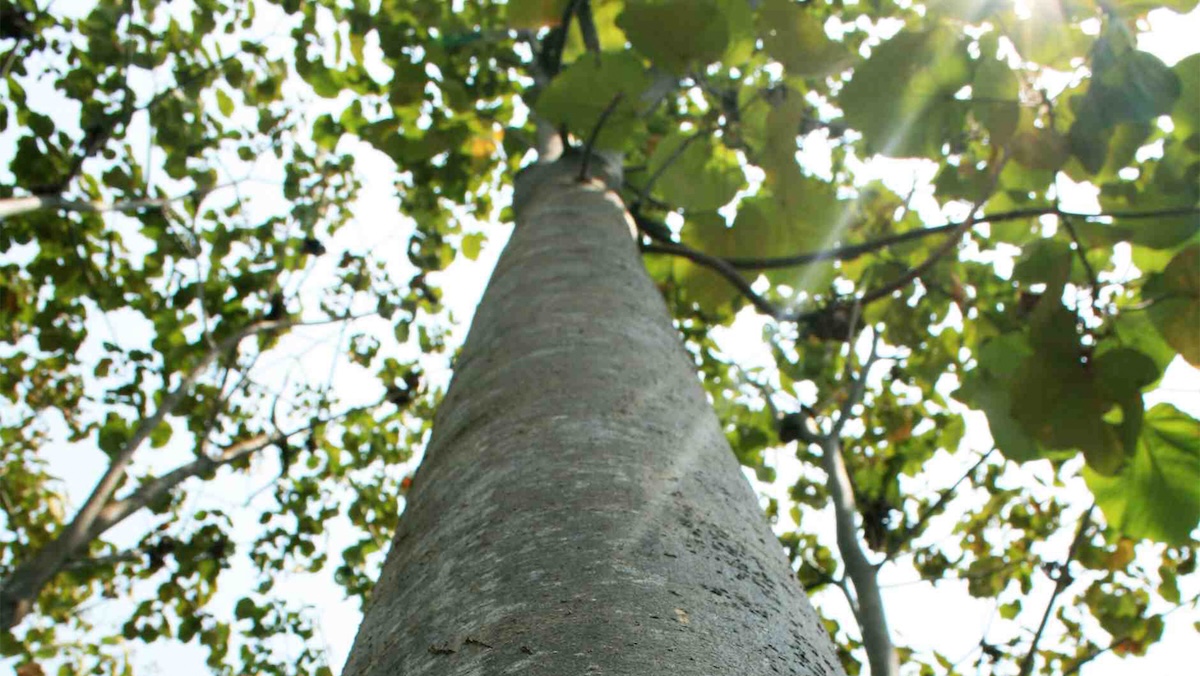
Balsa core is a lightweight, renewable core material made from the fast-growing Ochroma tree.
Known for its high strength-to-weight ratio, it delivers excellent mechanical performance in structural sandwich constructions.
Its end-grain structure ensures uniform strength, stiffness, and energy absorption, making it ideal for applications where weight reduction and durability are key — such as wind blades, marine hulls, aircraft panels, and vehicle components.
Key benefits compared to alternative core materials
Balsa core offers several engineering and environmental advantages over synthetic foam and honeycomb cores:
- Superior mechanical strength: End-grain balsa core provides high compressive, shear, and tensile strength, outperforming many foam alternatives.
- Lightweight structure: Despite its strength, balsa is extremely lightweight, aiding fuel efficiency and load optimization.
- Thermal and acoustic insulation: Natural insulating properties make it suitable for temperature- and noise-sensitive applications.
- Broad resin compatibility: Works with polyester, vinyl ester, epoxy, and phenolic systems.
- Eco-conscious sourcing: Balsa is plantation-grown and rapidly renewable, making it a preferred material for sustainable composite systems.
Market segmentation: where balsa core is used today
Balsa core’s versatility allows it to support a wide range of industries, each with its own performance requirements.
In wind energy, it is used in blade spars, nacelles, and housings to enhance stiffness while reducing weight.
Marine applications rely on balsa for hulls, decks, and bulkheads due to its buoyancy and durability, particularly in commercial, leisure, and defense vessels. In transportation, balsa is applied in lightweight floors, walls, and roof panels for trains, buses, and trucks, helping reduce overall emissions and improve fuel economy.
Aerospace applications include UAVs, satellites, and small aircraft, where balsa’s energy absorption and strength-to-weight performance are critical.
In construction, it’s used in architectural facades and insulation systems for its thermal resistance and structural efficiency.

Market outlook and forecasts
According to recent market studies, the global balsa core market is expected to grow at a strong CAGR through 2033, driven by increased composite adoption in clean energy, transport infrastructure, and lightweight engineering.
Asia-Pacific, particularly China and India, is experiencing rapid expansion in wind power projects and composite manufacturing, creating new demand hubs.
Meanwhile, Europe and North America continue to lead in high-performance applications and sustainability-led innovation.
However, raw material supply, especially from Ecuador — the world’s primary balsa producer — may influence pricing and availability. This highlights the importance of diversified sourcing and supply chain resilience.
Future applications and emerging use cases
Beyond its established sectors, balsa core is gaining traction in several new areas:
- Bio-based composites: Combined with natural or recycled fibers and bio-resins, balsa supports circular economy goals in consumer goods and industrial products.
- Urban air mobility: The development of air taxis and drones demands ultra-light materials with high strength, making balsa an attractive core candidate.
- Lightweight building panels: Prefabricated construction systems are adopting balsa core for its insulation and fire-retardant potential in sustainable buildings.
Why manufacturers choose balsa core
Balsa core remains a material of choice for engineers and designers who require reliable structural performance without compromising on environmental standards.
Its availability in customizable formats (contoured, scored, or rigid panels), ease of machining, and proven in-field track record makes it ideal for high-performance composite applications.
Whether optimizing a wind turbine blade or reducing vehicle emissions, balsa core provides a balance of nature and engineering that few materials can match.
What are the best balsa core products for lightweight composite construction?
What market trends are affecting balsa core material prices?
Where is the balsa core material market expected to grow next?
Closing thoughts
As demand for lightweight, sustainable, and high-performance materials continues to grow, balsa core remains a dependable and forward-looking choice in composite engineering.
Its unique combination of strength, versatility, and environmental benefits ensures its continued relevance — not only in established sectors like wind and marine, but also in emerging applications such as electric mobility and advanced construction systems.
Manufacturers seeking to balance structural performance with sustainability will find that balsa core offers both a proven track record and growing potential in the next generation of composite solutions.
Explore available formats and technical specs here or contact us for more information.
Related products

Balsa core
High-density organic core material featuring high compressive strength.
