
Carbon fiber has become one of the most widely used advanced materials in the aerospace sector. Initially adopted mainly for structural aircraft components, its use has expanded significantly across the entire aircraft ecosystem.
Today, aircraft interiors and non-structural components represent a growing application area. Airlines and manufacturers continuously seek materials that help reduce weight, improve durability, and support efficient manufacturing processes.
This is where carbon fiber fabric for aerospace interior components becomes especially relevant.
Lightweight composite materials help manufacturers produce strong, durable parts that support aircraft efficiency while meeting strict performance requirements.
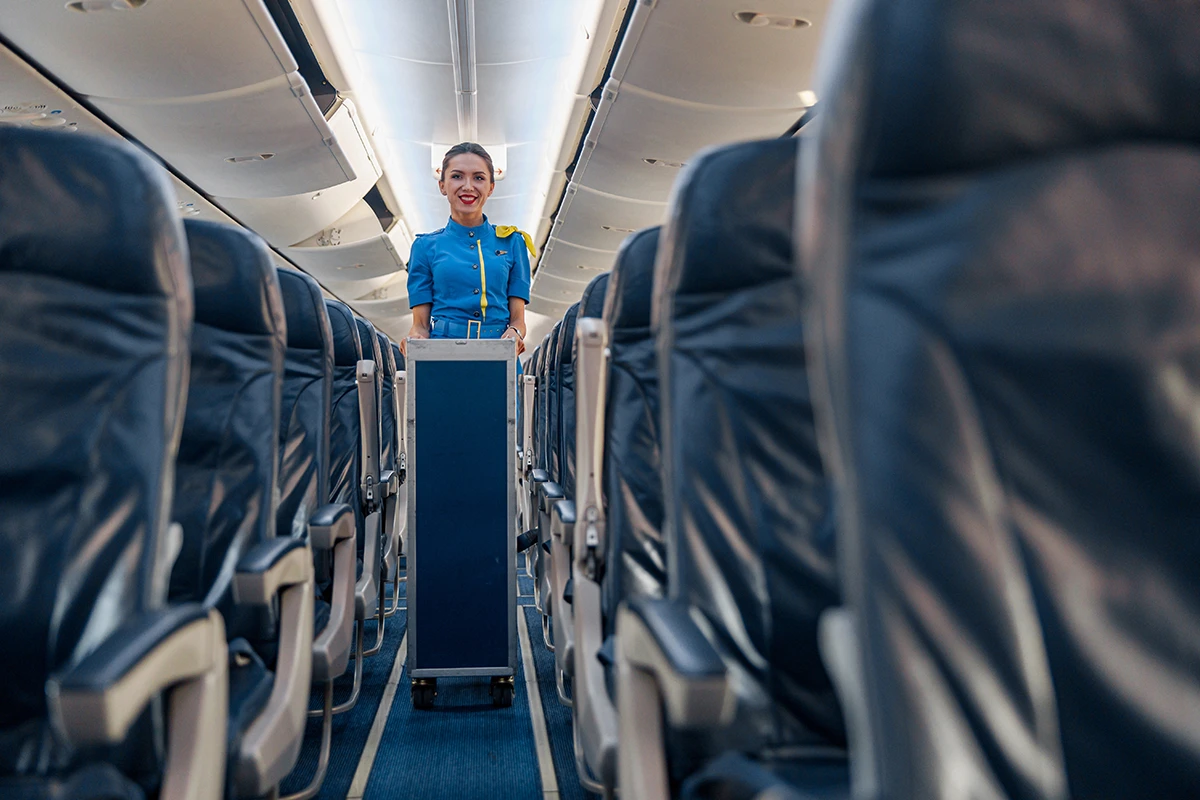
Carbon fiber in aircraft interiors and cabin systems
In aircraft interiors, components that were traditionally manufactured from metals or other heavier materials are increasingly being replaced with lightweight composite solutions.
In the cabin environment, these applications typically include:
- aircraft seat structures and shells
- tray tables
- service trolleys
- galley equipment housings
- overhead storage units
- luggage compartment components
- cabin interior panels
- partitions and protective covers
Among these applications, aircraft seats are a key area of use. Carbon fiber composites can be used for seat frames, seat shells, armrests, and internal support structures. These parts must combine low weight, durability, and reliable performance under intensive daily use.
Tray tables are another common example. Composite sandwich structures allow manufacturers to produce lightweight yet durable tables that can withstand repeated use and wear over time.
Lightweight frames and durable composite parts for trolleys help improve handling while maintaining the strength required for intensive cabin operations.
In storage and cabin equipment, composite materials are often used for:
- overhead compartments
- storage doors
- interior panels
Reducing the weight of these components supports overall aircraft efficiency while maintaining long-term reliability.
Advantages of Composites in Aerospace Cabin Equipment
For cabin equipment, composite materials offer clear technical and operational advantages. These properties explain the growing use of carbon fiber across aerospace interior applications.
Weight reduction
Reducing aircraft weight remains a key objective for manufacturers and airlines. Even small weight savings in interior components can translate into improved fuel efficiency and lower operating costs over the lifetime of an aircraft.
High strength-to-weight ratio
Carbon composites deliver excellent mechanical performance while remaining significantly lighter than many traditional materials such as aluminum or steel. This allows interior components to maintain strength and rigidity without increasing aircraft weight.
Durability and fatigue resistance
Aircraft interior components experience constant use and mechanical stress throughout their operational life. Composite materials provide consistent structural performance and resistance to fatigue, helping extend the service life of cabin equipment.
Corrosion resistance
Cabin components must withstand exposure to moisture, cleaning chemicals, and repeated maintenance cycles. Composite materials perform well in these environments, maintaining their structural integrity and appearance over time.
Design freedom
Carbon fiber fabrics enable the manufacturing of complex geometries and optimized structures. This allows engineers to design components that balance performance, weight efficiency, and manufacturability.
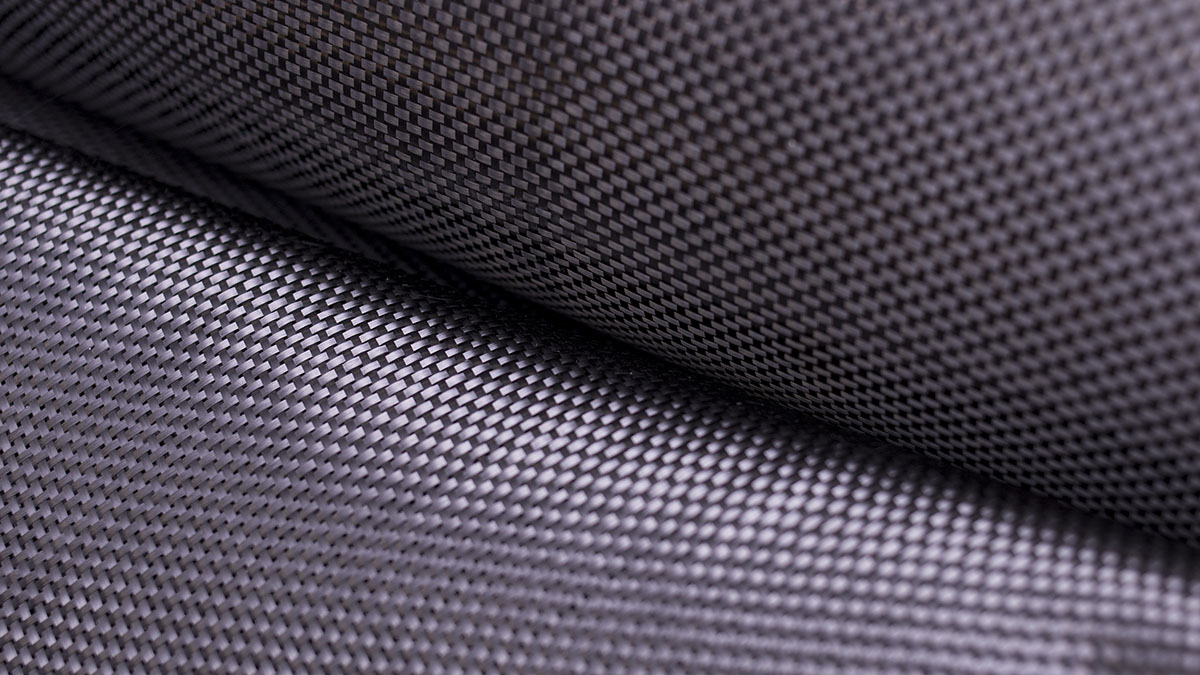
Growing Demand for Cost-Efficient Composite Materials
As the aerospace industry evolves, aircraft interior suppliers face growing pressure to balance performance with cost efficiency.
Manufacturers must meet several requirements simultaneously:
- reduce manufacturing costs
- maintain strict aerospace quality standards
- increase production efficiency
- scale manufacturing for new aircraft programs
At the same time, global aircraft production continues to grow, and airlines are demanding lighter cabin systems that improve operational efficiency while maintaining durability and passenger comfort.
As a result, suppliers across the aerospace supply chain are actively looking for more cost-effective composite materials that can support large-scale production while maintaining the necessary performance characteristics.
This trend is driving increased interest in optimized carbon fiber fabric solutions for aerospace manufacturing.
Carbon fiber fabric for aerospace interiors from Sky Composites
Components such as aircraft seats, tray tables, storage systems, and service equipment increasingly rely on lightweight composite structures. These materials allow manufacturers to achieve strong, durable parts while keeping weight under control.
With the right material solutions and manufacturing processes, carbon fiber fabrics enable lighter, durable, and scalable aircraft interior components that support the evolving needs of the aerospace industry.
Sky Composites supports aerospace manufacturers with carbon fiber materials for reliable, lightweight, and production-ready aircraft interior components.
Related products

Carbon fiber fabrics
Premium multiaxial, woven and special fabrics with superior load-bearing capacity, flex fatigue resistance, and customization options for advanced applications.
