
Race sailboats are designed with one clear objective: maximum performance on the water. Speed, responsiveness, and structural efficiency all play a critical role in how these boats perform under racing conditions.
In this environment, material selection becomes a key engineering decision. Carbon fiber for race sailboats is widely used because it combines low weight with high structural stiffness. This combination allows designers to create lighter and stronger structures that respond quickly to changing loads and sailing dynamics.
The advantages of carbon fiber are particularly important in modern offshore racing yachts and foiling sailboats, where structural loads are high and performance margins are small. This article explores why carbon fiber is widely used in race sailboat construction, where it is applied, and what makes it such an effective material for high-performance sailing.

What makes carbon fiber ideal for race sailboats?
Race sailboats are fundamentally different from standard leisure boats. Every design decision is made with performance in mind, and even small improvements in weight or stiffness can translate into measurable gains on the water.
Carbon fiber is particularly well suited to this environment because it offers an exceptional stiffness-to-weight ratio.
Compared to many traditional materials, it allows engineers to create structural components that are both lighter and more rigid. This combination helps maintain structural integrity while minimizing unnecessary mass.
High stiffness is especially important in race sailboats because structural flex can directly affect performance. Hulls, decks, and structural reinforcements must maintain their shape under dynamic loads created by wind pressure, wave impact, and rig forces. Carbon fiber reduces unwanted flex and ensures more predictable structural behavior.
Another advantage is the ability to engineer composite structures with precision. Fiber orientation, laminate design, and material combinations can be tailored to specific load paths. This level of engineering control allows boat builders to optimize performance without adding unnecessary weight.
For racing applications, where structural efficiency is directly connected to speed and control, these characteristics make carbon fiber an ideal material.
Why weight reduction matters in racing sailboat design
Weight has a direct effect on race sailboat performance. A lighter structure helps improve:
- acceleration after maneuvers,
- responsiveness to wind and sail trim,
- handling and steering precision,
- balance and trim,
- efficiency over long distances.
These advantages matter even more in competitive racing, where small performance gains can make a real difference.
In offshore applications, weight reduction is especially important because it helps limit energy losses and supports more consistent performance throughout the race.
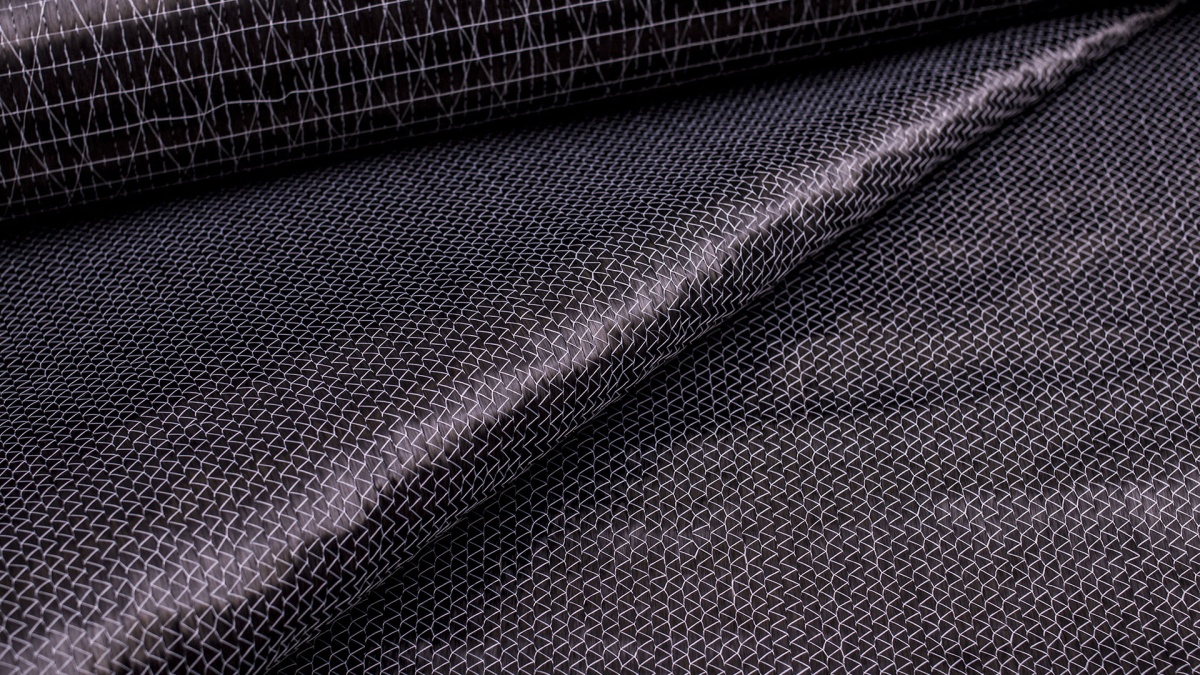
Where carbon fiber Is used in race sailboats
Carbon fiber can be found across many structural and semi-structural components of a race sailboat. Its use depends on the performance goals of the design and the specific loads each part of the boat must handle.
Common applications include:
- Hull structures
- Deck structures
- Bulkheads
- Cockpit components
- Foils
- Rudders
- Masts and booms
- Bowsprits
- Structural reinforcement zones
- Lightweight interior structural elements
Each of these components may require a different laminate structure, fiber orientation, or material combination. For example, areas exposed to high loads may require additional reinforcement, while interior components may prioritize weight savings.
As a result, carbon fiber is rarely used in isolation. It is typically part of a broader composite system that may also include core materials for boat building, specialized resin systems, and carefully engineered laminate structures.
Carbon fiber vs fiberglass in race sailboats
Fiberglass has long been a standard material in boat building, and it still plays an important role in many marine applications. However, race sailboats often require higher levels of performance than fiberglass structures can provide.
One of the most important differences between the two materials is weight. Carbon fiber structures are generally lighter than comparable fiberglass constructions. This weight reduction contributes directly to improved acceleration and efficiency.
Carbon fiber is also significantly stiffer. Higher stiffness allows the structure to maintain its shape under load, which is particularly important in racing boats where structural flex can reduce performance.
That said, fiberglass still has advantages in certain situations. It is typically more cost-effective and can be easier to process in some manufacturing environments. For applications where extreme performance is not the primary objective, fiberglass may still be a practical choice.
In high-performance racing sailboats, however, carbon fiber is often preferred because its structural properties better support the demanding requirements of competitive sailing.
Carbon fiber alone is not enough
While carbon fiber offers significant advantages, achieving optimal performance requires more than simply selecting the right material.
The effectiveness of a composite structure depends on several additional factors, including:
- laminate design
- resin system selection
- core material choice
- manufacturing process
- engineering and quality control
The interaction between these factors determines the final structural performance. A well-designed composite system carefully balances stiffness, weight, durability, and manufacturability.For race sailboats, this integrated approach ensures that carbon fiber is used in the most effective way possible.
Carbon fiber for race sailboats from Sky Composites
Carbon fiber has become one of the most important materials in modern race sailboat construction. Its ability to combine low weight with high stiffness allows designers to create structures that support speed, efficiency, and control.
From hull structures and decks to foils and reinforcement zones, carbon fiber supports the structural performance required in competitive sailing. When combined with appropriate core materials, resin systems, and advanced composite engineering, it helps deliver the reliability and responsiveness that racing demands.
Related products

Carbon fiber fabrics
Premium multiaxial, woven and special fabrics with superior load-bearing capacity, flex fatigue resistance, and customization options for advanced applications.
