
Across many advanced engineering sectors, lightweight composite structures have developed from a specialty option into a mainstream design requirement.
Advanced transportation, wind energy, and increasingly electric vehicle platforms rely on composite cores to deliver stiffness and durability while keeping mass to a minimum.
Within this evolution, the PMI foam and high-performance foam core market is experiencing strong and sustained growth.
Engineers are looking for materials capable of meeting higher structural loads, complex temperature requirements, and sustainability goals, all without compromising performance.
This article gives a detailed overview of the
- PMI material category,
- the key markets driving demand,
- and analyst expectations for the coming decade.
What is PMI foam and why is it considered a “high-performance” core material?
PMI (Polymethacrylimide) foam core is a closed-cell structural core material engineered for advanced composite design.
Its fine cell morphology and uniform density contribute to performance levels that are difficult to reach with conventional foam cores. In particular, PMI delivers:
- exceptionally low density
- high compression and shear strength
- thermal stability up to ~200 °C
- excellent fatigue and impact resistance
- compatibility with RTM, infusion, and prepreg processing
- low resin uptake
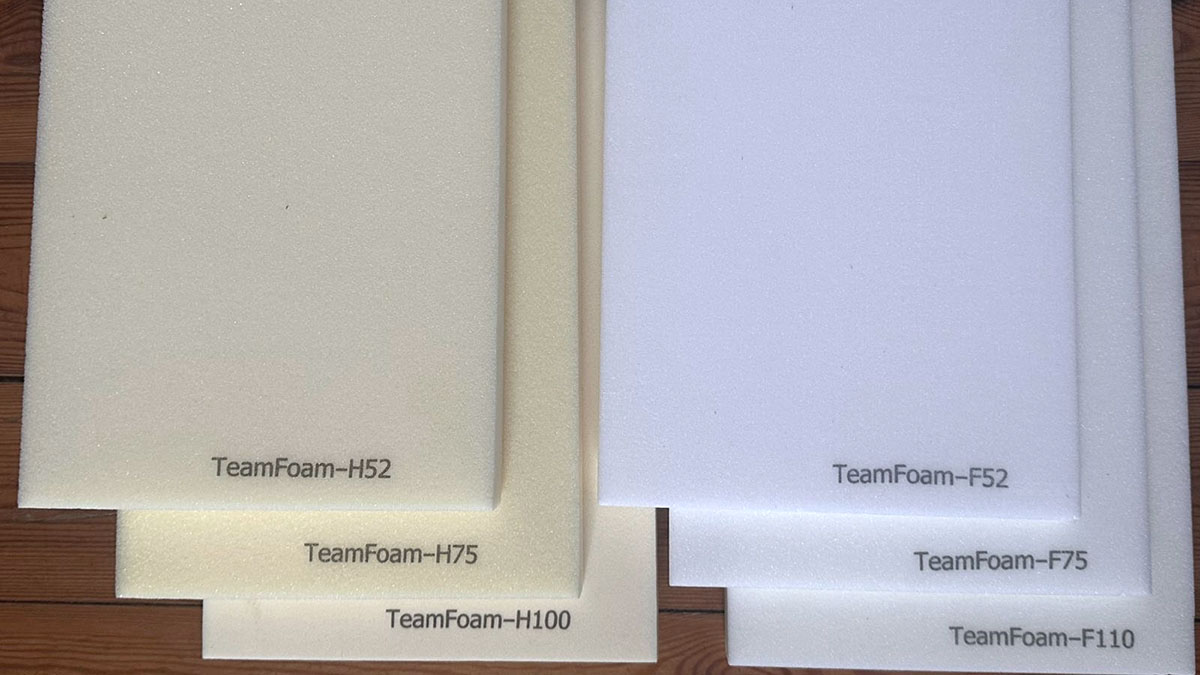
Thanks to its stiffness-to-weight ratio and ability to withstand elevated temperatures, PMI is widely used in aerospace-grade and industrial composite laminates, particularly where weight reduction, structural integrity, and heat resistance are equally critical.
These properties position PMI foam as a preferred choice in demanding composite structures across wind energy, aviation, transportation, and high-performance industrial applications especially where traditional PET or PVC foam solutions would reach their performance limits.
Key benefits compared to alternative foam cores
Advanced PMI foam structures outperform traditional PVC, PET, and SAN foams in several ways.
Mechanical performance
- higher compressive strength
- excellent stiffness-to-weight ratio
- better fatigue durability
- lower creep
Thermal performance
- remains stable at temperatures where PET or PVC deform
- suitable for aerospace and automotive curing cycles
Sustainability benefits
- lower resin uptake (less waste)
- recyclable grades available
- no harmful outgassing
- supports cleaner, more sustainable manufacturing
Overall, PMI foam helps extend product lifetime while reducing environmental impact and total cost over the service life of the composite.
Market segmentation: where PMI foam is used today
The PMI foam and high performance foam core market is largely driven by industries that demand light, strong and durable composite structures capable of long service life.
In wind energy, PMI is increasingly specified for long turbine blades, larger rotor diameters and offshore installations.
As today’s blades often exceed 100 metres, stiffness and fatigue resistance have become key design parameters, and PMI offers a clear performance advantage over conventional core materials.
In transportation and automotive, PMI is used for EV battery housings, composite body parts, interior structures and lightweight panels for rail and bus vehicles. The main driver remains lightweighting, which directly improves energy efficiency, vehicle range and overall sustainability targets.

In UAV systems and emerging urban air mobility (UAM) platforms, PMI foam is used in lightweight structural components such as fuselage sections, radomes, and interior panels. Its thermal stability, low density, and exceptional strength-to-weight ratio make it a high-performance core material for next-generation aerial systems where efficiency, payload optimization, and thermal resilience are critical.
In the marine and sports sector, PMI supports lightweight hulls and decks, as well as high-performance equipment such as surfboards, skis and bicycles. Here, the focus is on reducing weight while maintaining durability, especially in products exposed to continuous dynamic loading and outdoor conditions.

What’s accelerating demand today
1. Lightweighting and energy efficiency
Lightweight structures continue to be a key objective in UAV, mobility and industrial engineering. Every kilogram removed contributes directly to lower energy consumption, whether in aviation, marine transport, electric vehicles or industrial machinery.
2. Sustainability and recyclability
OEMs increasingly prioritise materials with reduced environmental impact. Lower resin usage, recyclable PMI grades and lower embodied CO₂ make PMI a relevant option for more sustainable composite manufacturing.
3. Electrification and composite adoption
The shift toward electrified mobility EV platforms, lightweight rail systems and emerging hydrogen solutions is accelerating the use of advanced composites across transportation and infrastructure.
4. Renewable energy expansion
Wind energy remains one of the strongest market segments for PMI foam. With blade lengths increasing and offshore installations expanding, PMI usage is expected to grow steadily over the next decade.
Market outlook and forecasts
Recent forecasts indicate a CAGR of 6–9% through 2032, driven by wind, marine, and automotive applications.
Analysts expect:
- increasing offshore wind investment
- higher blade volumes
- aerospace rebound post-2025
- structural composites in EV scaling
- wider industrial adoption
Demand for ultra-low-density, high-strength, heat-resistant foams is expected to accelerate fastest in EMEA and Asia–Pacific, with the U.S. remaining a leading consumer.
Future applications and emerging uses
While traditional composite markets continue to grow, PMI foam is also finding its way into new engineering applications.
Promising areas include hydrogen vehicle platforms, battery insulation systems, urban air mobility (UAM), composite robotics, medical imaging structures and modular lightweight construction.
As manufacturing trends move toward automation, electrification and more sustainable material choices, PMI is increasingly viewed as a strategic high-performance core for next-generation composite engineering.
Why manufacturers choose PMI foam
PMI combines extremely low density with high structural integrity, long-term fatigue resistance and outstanding thermal stability. Its closed-cell structure minimises resin consumption, while compatibility with RTM, infusion and prepreg processing supports accurate, repeatable production.
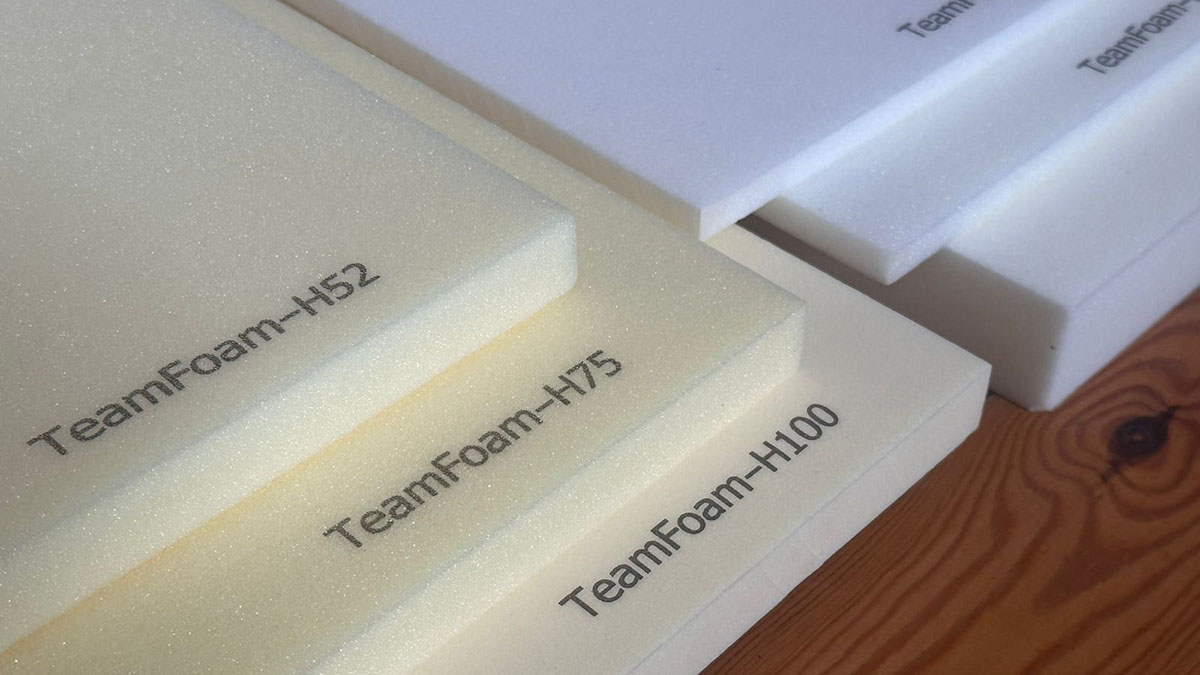
The outcome is a lighter and more durable composite component with reduced lifetime cost and lower environmental impact, making PMI foam a strong choice wherever performance and weight reduction are equally important.
Closing thoughts
As demand for lighter, stronger and more efficient composite structures continues to grow, PMI foam is positioned to play an increasingly central role across advanced industries.
Its balance of mechanical performance, thermal stability and sustainability gives manufacturers a reliable foundation for next-generation composite designs from wind energy to mobility technologies.
If you’re evaluating core material options for a new project, or looking for tailored technical guidance, our team is here to help.
Feel free to contact us with your application requirements or material questions.
Related products

PMI foam core
Lightweight, high-strength material with exceptional mechanical properties and heat resistance.
