
Why composites are used in automotive manufacturing?
Composites in automotive are becoming the default choice for lightweight, high-performance parts because they cut mass without sacrificing structural integrity. As a practical rule of thumb, every 10% reduction in vehicle weight can translate into roughly a 6–8% improvement in fuel economy—plus lower emissions and better driving dynamics. That’s why manufacturers increasingly rely on composite materials, typically built around advanced reinforcements like carbon fiber fabrics for maximum stiffness and premium appearance, or fiberglass fabrics when cost-efficient, robust FRP panels are the priority.
Choosing composites for automotive parts: carbon vs fiberglass
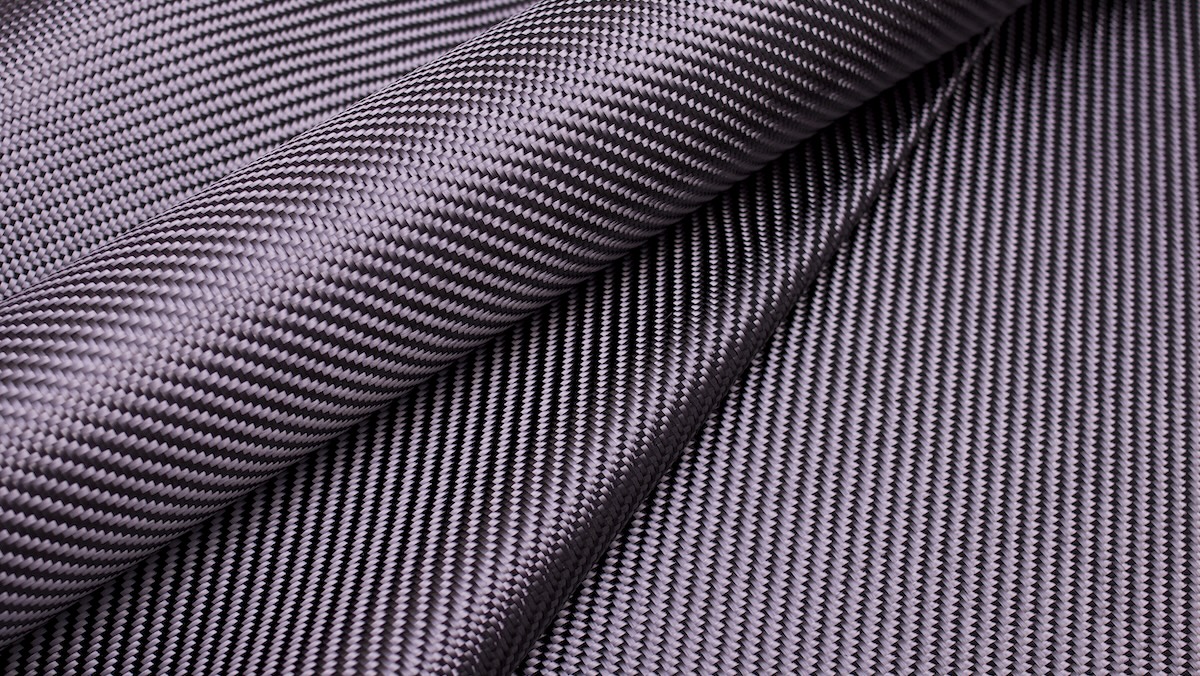
Why choose carbon fiber fabrics?
When selecting composite materials for a vehicle application, carbon fiber fabrics are often the go-to choice when performance and perceived quality both matter. Carbon is widely associated with premium engineering, but it also brings tangible advantages, including:
- Premium look and positioning (widely recognized as a high-end material)
- Structural performance benefits (strong load-carrying potential with the right layup)
- High stiffness-to-weight ratio (rigid parts without the mass penalty)
- Visible weave aesthetic (a deliberate design feature for exposed components)
Why choose fiberglass fabrics?
Fiberglass fabrics are a strong option when you need reliable composite performance at a more cost-efficient price point. In automotive manufacturing, they are commonly used to produce robust fiber-reinforced plastic (FRP) body panels and other durable exterior or interior parts. Key reasons to choose fiberglass include:
- Cost efficiency (good performance per euro)
- Robust FRP panels (well-suited for body panels, covers, and larger parts)
Top 5 applications of composites in automotive
1. Lightweight body panels and exterior parts
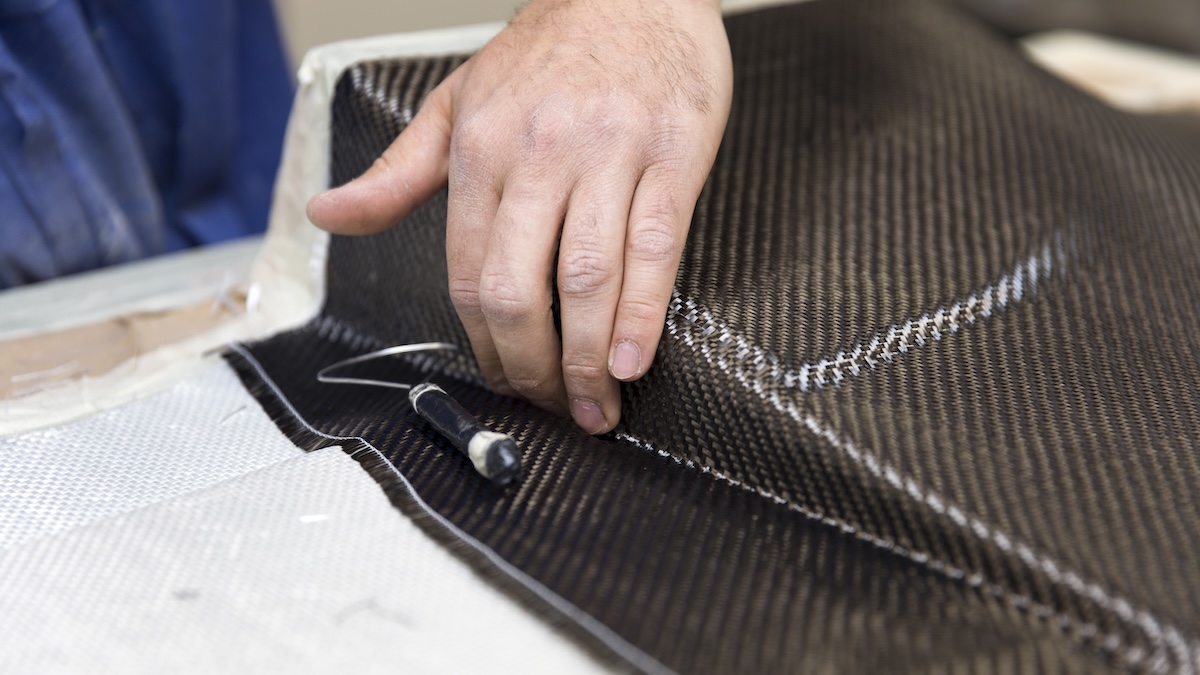
One of the most common applications is lightweight bodywork—car body panels, hoods, roofs, and spoilers for passenger cars and EVs. The main driver is straightforward: replacing heavier materials helps cut vehicle mass, while a well-designed laminate can also improve stiffness and deliver strong impact performance for exterior components.
2. Structural reinforcements and safety-critical components
Composites in vehicle manufacturing are also used in parts where strength, stiffness, and energy management are critical—such as EV battery enclosures, crash structures, and localized reinforcements. Typical examples include crossmembers, battery trays, and impact beams, where the laminate architecture can be tuned for load paths and crash performance. In heavier platforms, composites are increasingly applied in frames and load-bearing structures for buses and trucks to reduce mass while maintaining durability and safety margins.
3. Chassis, suspension, and underbody components
Beyond the body shell, composites in automotive show up in chassis and underbody areas where weight, stiffness, and corrosion resistance matter. Typical applications include composite brackets and selected suspension components, where reducing unsprung mass can support handling and efficiency targets. Composites are also widely used for underbody shields, skid plates, and structural floor panels—parts that need to be tough, dimensionally stable, and resistant to road debris, moisture, and chemicals.
4. Interior components and design surfaces
Composites are widely used inside vehicles for seats, dashboards, trim elements, and complete interior modules—especially where a clean finish, dimensional stability, and weight savings are all important. They’re also common in passenger areas of buses and recreational vehicles, where durable, lightweight panels help with payload, noise reduction, and long-term wear in high-traffic environments.
5. Thermal and acoustic insulation panels in commercial and leisure vehicles
Thermal and acoustic insulation is another major use case—especially in refrigerated trucks, trailers, and delivery vans where temperature control directly impacts operating cost and product quality. A common solution is composite sandwich panels that combine foam cores with fiberglass skins, delivering strong thermal insulation with low weight and good durability. The same panel approach is also used in leisure vehicles where reducing noise and improving cabin comfort are key design targets.
Advanced Composites from Sky Composites
Sky Composites supplies high-performance fiberglass and carbon fiber fabrics for lightweight, durable automotive components. Contact our team to find the right composite solution for your next vehicle project.
Related products

Carbon fiber fabrics
Premium multiaxial, woven and special fabrics with superior load-bearing capacity, flex fatigue resistance, and customization options for advanced applications.
