
Composites in sports have become a key material choice where low weight, high stiffness, and reliable structural performance matter. Compared to traditional materials such as wood or aluminum, carbon fiber and fiberglass fabrics give manufacturers more freedom to build sports equipment that is lighter, stronger, and better tuned to high-performance use.
Carbon fiber and fiberglass in sport equipment
Modern sports equipment often relies on composite materials because they allow engineers to fine-tune stiffness, weight, durability, and handling more precisely than with many traditional materials.
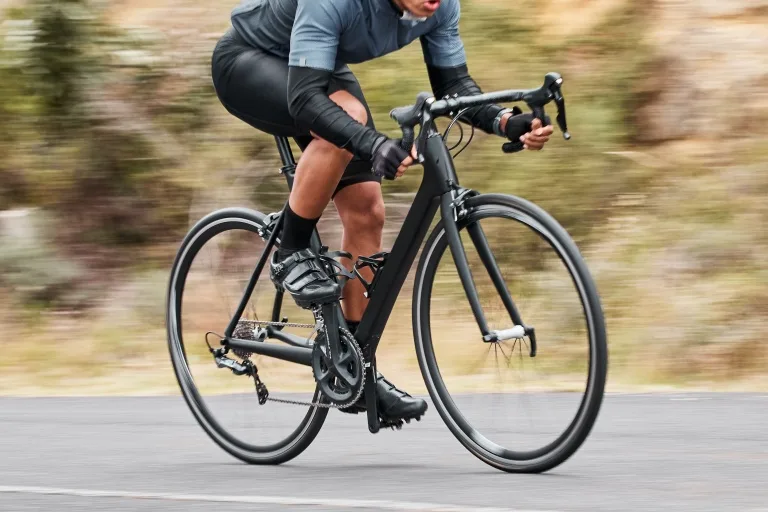
Carbon fiber: the peak of performance
Carbon fiber composites are used when maximum stiffness and minimum weight are the priority. Their high strength-to-weight ratio and structural rigidity make them a strong fit for professional sports equipment where fast response, efficient power transfer, and low mass all matter.
Fiberglass: resilience and flexibility
Fiberglass composites offer a different balance. They are often chosen where durability, impact tolerance, and controlled flexibility are important, making them a practical option for sports equipment exposed to repeated loading or harsher use conditions.
Where composites make the difference
Composites make a visible difference across sports because they let manufacturers balance low weight, stiffness, durability, and impact performance for each application.
- Water Sports & Marine: In canoes, paddles, and surfboards, carbon fiber, fiberglass, and foam cores help manufacturers build parts that are lightweight, stiff, durable, and responsive in demanding water environments.
- Cycling: Composites in bicycles are widely used for frames, forks, and performance parts because they combine low weight with stiffness, fatigue resistance, and greater design freedom for aerodynamic shapes.
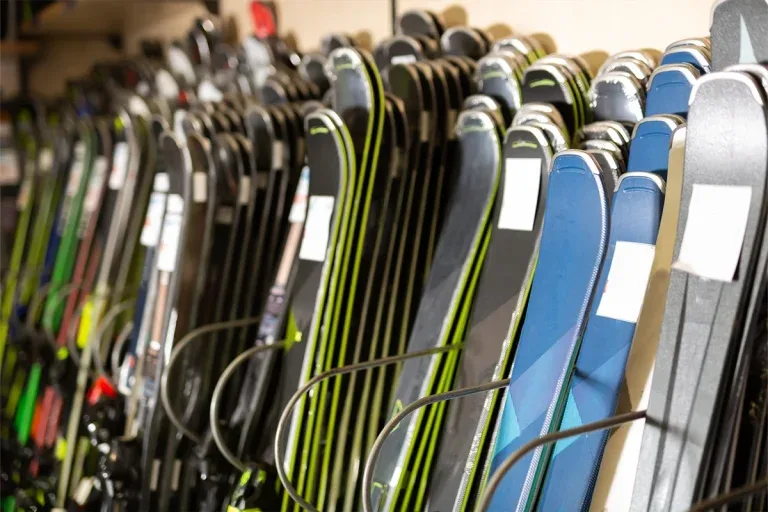
- Winter Sports: In skis and snowboards, carbon fiber and lightweight core materials such as PMI or PET foam are used in sandwich structures to improve control, energy transfer, and long-term durability without adding unnecessary weight.
- Ice Hockey & Golf: In ice hockey sticks and golf clubs, carbon fiber, fiberglass, and PMI foam cores help create lightweight, stiff, and durable constructions that support precision, control, impact performance, and long-term reliability.
Advanced Construction: Sandwich Panels and Core Materials
Sandwich construction is a key design approach in advanced sports equipment because it creates high stiffness without unnecessary weight.
By placing a lightweight core — such as PVC, PET, PMI foam, or structural honeycomb — between composite skins, manufacturers can build parts that stay rigid and structurally efficient while keeping mass low.
This matters in applications where every gram counts but strength cannot be compromised. For example in marine applications, sandwich core solutions are widely used to create lightweight yet strong boat structures. The same design logic is highly relevant for racing yacht decks. For more on this topic, read our previous article on carbon fiber for race sailboats.
Mechanical Advantages of composites in sport equipments
Composites improve more than weight: they also shape stiffness, durability, control, and impact behaviour in sports equipment.
- Efficient power transfer: Less unwanted flex, more direct response.
- Lower weight: Better speed, handling, and reduced inertia.
- Fatigue resistance: More consistent performance over time.
- Impact performance: Better load distribution in demanding use.
- Tunable behaviour: Stiffness and flex can be tailored to the application.
Engineering the Future with Sky Composites
The future of sports equipment depends on smarter material choices. By selecting the right carbon fiber or fiberglass solution for the application, manufacturers can achieve the balance of weight, stiffness, durability, and performance that modern sports demand. With its range of advanced reinforcements and composite materials, Sky Composites supports the development of high-performance sports products built for real-world use. If you are interested in composite materials for sports equipment, contact us.
Related products

Carbon fiber fabrics
Premium multiaxial, woven and special fabrics with superior load-bearing capacity, flex fatigue resistance, and customization options for advanced applications.

Fiberglass fabrics
A wide range of customizable fiberglass products, including RTM molding mats, combo mats, woven roving, and surface mats, for efficient resin molding and durable FRP construction.
