
Drones and unmanned aerial vehicles (UAVs) are used across a growing range of applications, from agriculture and mapping to industrial inspection, emergency response and specialized operations. While the requirements of these aircraft can vary significantly, one challenge remains consistent: keeping structures lightweight without sacrificing stiffness, durability or dimensional stability.
This is where drone composite materials such as PVC foam core and carbon fiber fabrics can play an important role. Used in composite sandwich structures, PVC foam adds thickness and structural efficiency without introducing excessive weight. Combined with lightweight skins such as carbon fiber, it can help manufacturers create rigid, stable components that meet the demanding weight and performance requirements of modern UAVs.
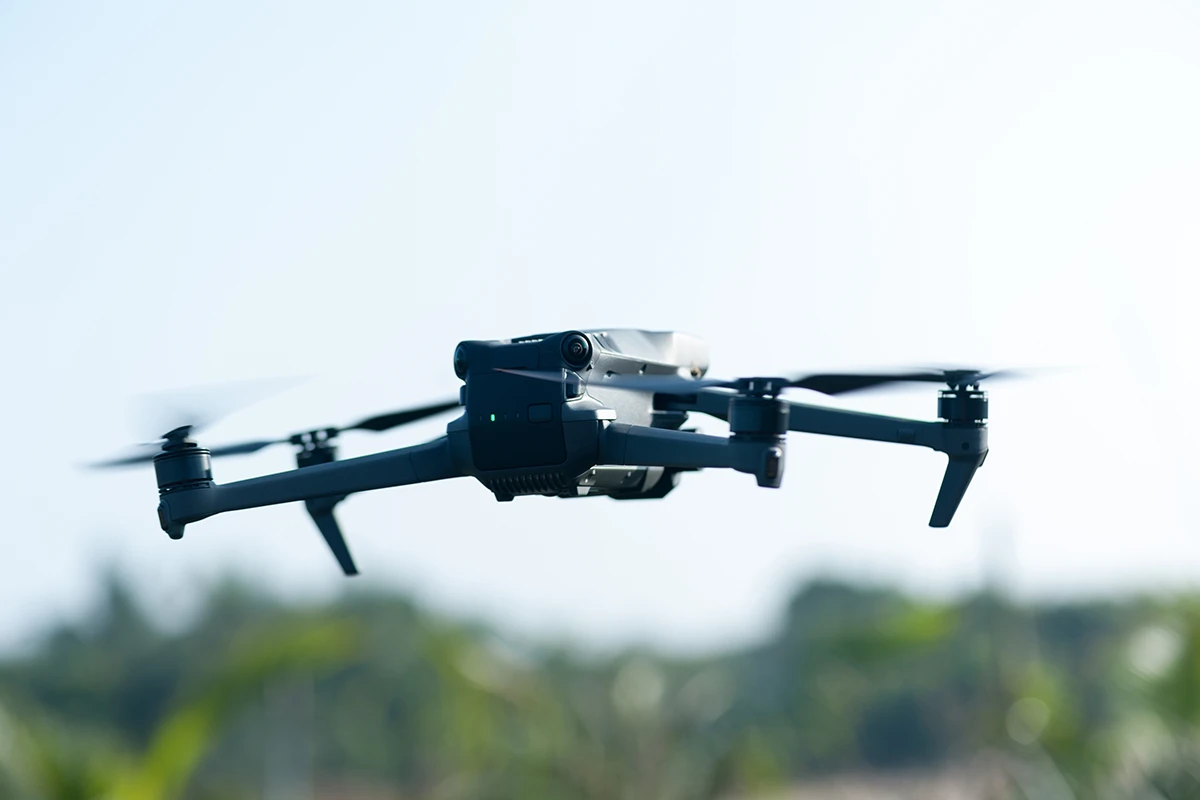
Why PVC foam core matters in drone design
Weight has a direct impact on drone performance. Lower structural weight can contribute to longer flight times, greater payload capacity and improved maneuverability. At the same time, UAV panels and structural elements must remain sufficiently stiff to maintain their shape under load and resist vibration during operation.
PVC foam core combines low density with useful mechanical properties, making it well suited to lightweight composite construction.
Its main benefits in drone applications include:
- low weight,
- increased stiffness in sandwich panels,
- good dimensional stability,
- vibration damping,
- impact resistance,
- compatibility with complex and curved geometries.
These properties make PVC foam particularly useful for larger panels, aerodynamic body sections and other UAV components where low weight and structural stability are both important. For UAV structures where both thickness and weight are tightly constrained, ultra-thin PVC foam sheets down to 1 mm can support lightweight micro-sandwich constructions while maintaining dimensional stability.
How PVC foam core supports carbon fiber drone parts
In a composite sandwich structure, the PVC foam core separates the outer skins and helps transfer shear loads through the component. This increases bending stiffness without a proportional increase in weight, which is particularly valuable in UAV structures.
Carbon fiber is commonly used for the outer skins because of its high stiffness-to-weight ratio. In carbon fiber drone parts, the carbon fiber provides external strength and stiffness, while the PVC foam core increases structural efficiency by maintaining the separation between the skins.
Carbon fiber fabrics are particularly relevant for frames, arms and other load-bearing drone components where high stiffness at low weight is required.
This combination allows manufacturers to create lightweight, rigid components without relying on thicker solid carbon fiber laminates.
Processing flexibility for complex drone components
Drone structures often include aerodynamic surfaces, covers, housings and other components with curved or complex geometries. PVC foam can be machined, shaped or thermoformed depending on the grade and application, giving designers greater flexibility when developing these structures.
Different densities and thicknesses can also be selected according to the mechanical requirements of each component, allowing manufacturers to optimize the core material across the UAV rather than using a single specification throughout.
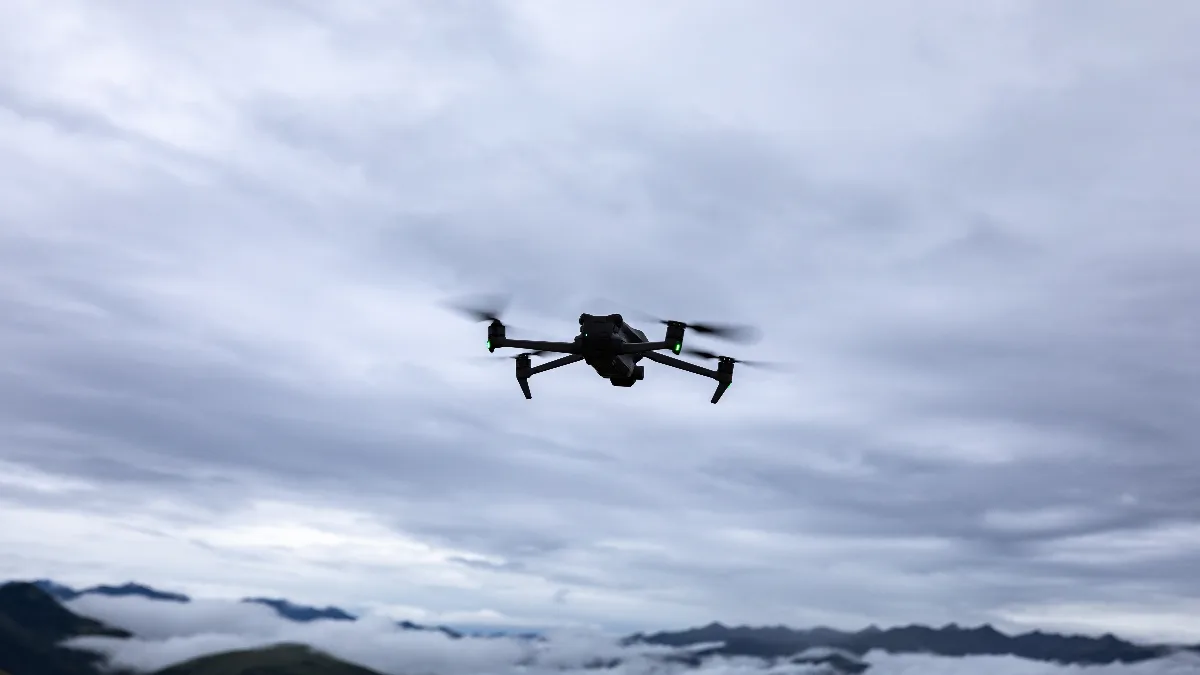
How PVC foam requirements change across drone applications
Different drone applications place different demands on the core material and the overall composite structure.
Agricultural and mapping drones
Agricultural and mapping drones often carry cameras, sensors or other equipment over extended flight times. Reducing airframe weight can support greater payload capacity and longer flight endurance, while PVC foam core helps maintain the stiffness required for larger body panels and structural sections.
Inspection and industrial drones
Industrial inspection drones require stable, durable structures that can support cameras and measurement equipment during repeated operation. PVC foam core can contribute to panel stiffness, dimensional stability and vibration damping, which can be particularly useful for UAVs carrying imaging or sensing equipment.
Emergency response and rescue drones
Emergency-response UAVs may carry mission-specific sensors and equipment while needing to remain highly maneuverable. Reducing structural weight helps preserve payload capacity and maneuverability, while the composite structure must remain durable enough for demanding operating conditions.
High-performance and specialized UAVs
High-performance and specialized UAVs place particularly high demands on stiffness-to-weight performance and aerodynamic efficiency. Thin and ultra-thin PVC foam cores can provide additional rigidity and support precisely controlled aerodynamic shapes without a significant weight increase, while carbon fiber skins provide the required external strength and stiffness.
Selecting PVC foam core for drone manufacturing
There is no single PVC foam specification that fits every UAV component. The appropriate solution depends on factors such as:
- required density,
- core thickness,
- expected mechanical loads,
- impact requirements,
- manufacturing process,
- component geometry,
- operating environment.
The appropriate density and thickness should therefore be selected according to the component’s structural role, geometry, manufacturing process and overall performance requirements.
Composite solutions for drone and UAV manufacturing
PVC foam core can help manufacturers create lightweight, rigid UAV structures while supporting different component geometries and performance requirements.
Sky Composites supplies PVC foam core solutions for drone and UAV manufacturing, including thin and ultra-thin options for applications where weight and thickness are particularly critical. The portfolio also includes carbon fiber fabrics and other reinforcement materials, allowing manufacturers to select the right material system for the structural and processing requirements of each UAV application.
Looking for the right PVC foam core for your UAV application? Get in touch with the Sky Composites team to discuss the right core material and reinforcement solution for your design.
Related products

PVC foam core
Excellent strength-to-weight properties and superior chemical stability.

Carbon fiber fabrics
Premium multiaxial, woven and special fabrics with superior load-bearing capacity, flex fatigue resistance, and customization options for advanced applications.
