
Choosing a composite core material is not only about finding the lightest, strongest or lowest-cost option. The right choice depends on the part itself: how it will be loaded, manufactured, bonded, exposed, assembled and used in service. In sandwich composite structures, the core does much more than add thickness. It helps improve stiffness, reduce weight, support buckling resistance and influence the final part’s durability. But the best core material for one application may be unnecessary, inefficient or even unsuitable for another.
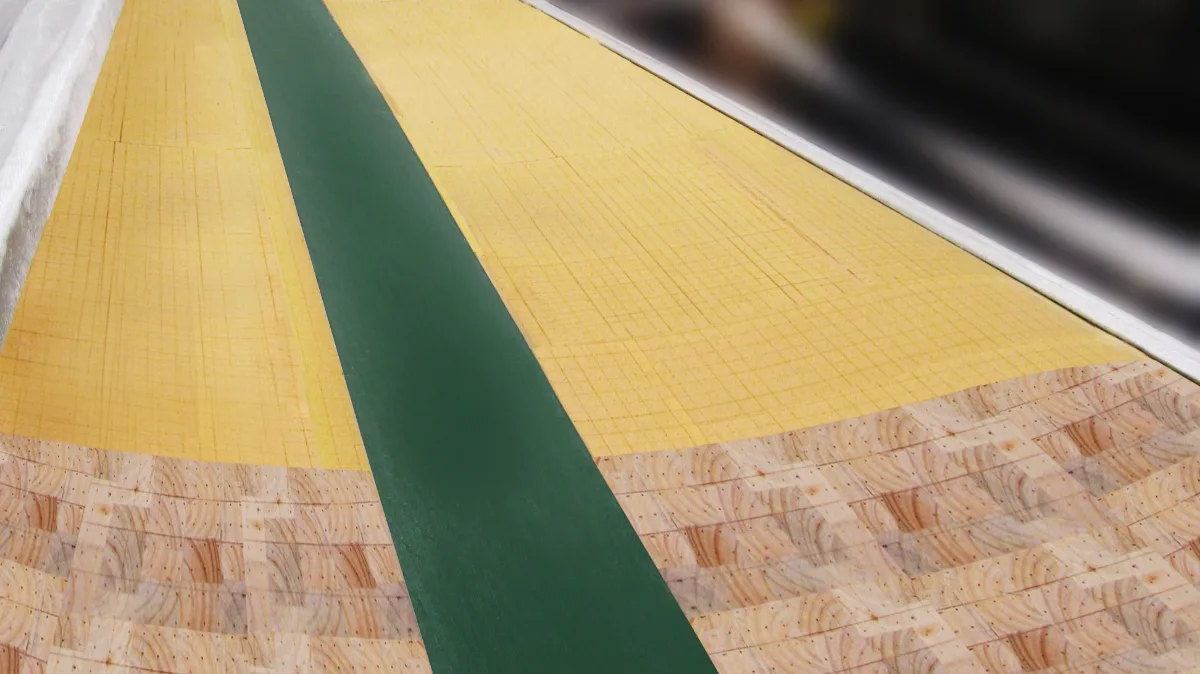
This composite core material selection guide explains the main factors engineers and manufacturers should consider before choosing a core material for their application.
Sky Composites supplies a wide range of composite core materials, including PVC foam, PET foam, balsa core, PMI foam, structural honeycomb and laminate bulker solutions.
Start with the application, not the material
A common mistake in core material selection is starting with the material datasheet instead of the final part requirements. Density, compressive strength and shear properties are important, but they only make sense when evaluated against the application.
Before comparing core materials, define what the part needs to do.
Is it a flat sandwich panel? A curved or shaped component? A marine structure exposed to moisture? A transportation part exposed to vibration? A high-performance component that must withstand elevated processing temperatures?
Different applications can require very different core solutions. For example, a lightweight panel for a marine interior, a wind blade component, an industrial tank panel and a high-temperature prepreg part may all use sandwich construction, but they will not necessarily need the same core material.
The selection process should begin with the final part, then move toward the material.
Define the load case
The next step is understanding how the part will be loaded. It is not enough to ask whether the core is “strong enough.” The type of load matters. A composite core may be exposed to:
- static loads,
- compression,
- shear,
- dynamic loading,
- vibration,
- fatigue,
- impact,
- point loads or fastening loads.
A material that performs well under static compression may not be the best option for repeated vibration, dynamic loading or impact-prone applications.
For structural sandwich panels, the core must help transfer loads between the skins while maintaining the required stiffness and dimensional stability. In more demanding applications, impact resistance, fatigue behavior and long-term durability can become just as important as basic compressive strength.
This is why core material selection should always include a clear definition of the load case. Without this, the decision can easily become too focused on one property while ignoring how the part will actually perform in service.
Consider the manufacturing process
The manufacturing process has a major influence on core material selection. A core that looks suitable on paper may create problems if it does not work well with the selected production method.
Key manufacturing factors include:
- hand lay-up, infusion, RTM, prepreg or autoclave processing,
- resin flow requirements,
- resin uptake,
- perforation or grooving needs,
- forming, thermoforming or contouring requirements,
- cure temperature,
- processing pressure,
- repeatability in serial production.
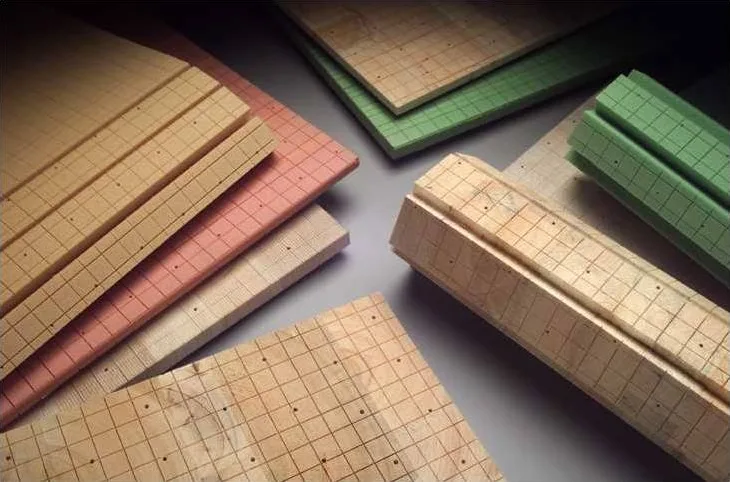
For example, infusion processes may require perforations, grooves or other finishing options to support resin flow. Curved geometries may require scored or flexible core formats. Serial production may benefit from pre-cut and labeled kits to reduce cutting time, waste and assembly errors.
This is where processing becomes part of the material decision. Core finishing and kitting are not only convenience services; they can directly affect production efficiency, part quality and consistency. Sky Composites offers core material processing and kitting to support manufacturers with tailored core solutions for specific production requirements.
Do not ignore bonding and the skin-core interface
The core does not work alone. In a sandwich structure, the performance of the final part depends on how well the core and skins work together. That makes the skin-core interface critical.
Poor bonding can reduce structural performance, increase the risk of delamination and compromise long-term durability. When choosing a core material, engineers should consider how the core surface interacts with the resin, adhesive or laminate system.
Important bonding-related factors include:
- peel strength,
- adhesive compatibility,
- resin compatibility,
- surface quality,
- resin uptake,
- core finishing,
- risk of voids or dry spots,
- long-term bondline reliability.
This is especially important in applications exposed to fatigue, vibration, impact or changing environmental conditions. The bondline must be able to support the structure, not only survive initial manufacturing.
A good core material choice should therefore consider both the properties of the core itself and the quality of the interface between the core and the laminate skins.
Match the core to the service environment
The operating environment can narrow down the right core material quickly. A part used in a dry indoor environment has different requirements from one used in marine, outdoor, transport, chemical or industrial applications. Moisture, temperature, chemicals, humidity and corrosion risk can all influence material selection.
Key environmental questions include:
- Will the part be exposed to water or humidity?
- Will it be exposed to chemicals, solvents, industrial cleaners or high humidity?
- Will it operate outdoors?
- What service temperature must it withstand?
- Is recyclability or sustainability a priority?
- Does the part need long-term dimensional stability?
For example, some projects may prioritize moisture resistance and durability. Others may require recyclability, thermal stability, low weight or high-temperature processing capability.
The goal is not to choose the “best” material in general. The goal is to choose the material that fits the real operating conditions of the part.
Understand the main core material options
Core materials differ in structure, performance, processing behavior and application fit. For a deeper breakdown of material types, properties and typical use cases, read our previous article on structural core material types and selection.
As a quick overview:
PVC foam core is a versatile option for lightweight structural parts where durability, processability and balanced mechanical performance are required. It is commonly used in marine, transportation, wind energy, sports and industrial applications.
PET foam core is often selected when recyclability, durability and thermal stability are important. It can be a strong option for sandwich structures in wind, marine, construction, transport and industrial applications.
Balsa core is a natural lightweight core material known for strong compression performance and good stiffness-to-weight properties. It is often used where high structural performance is needed with a renewable-origin material.
PMI foam core is used in demanding high-performance applications where low weight, strength and heat resistance are key requirements. It is especially relevant for advanced composite structures and high-temperature processing environments.
Structural honeycomb can be a good fit for applications requiring lightweight stiffness, durability, impact absorption, sound damping or corrosion-resistant performance.
Laminate bulker is different from traditional structural core materials. It is useful when the goal is to reduce laminate weight, support surface quality, improve thickness build-up or replace multiple layers of chopped strand mat in selected applications.
Use a practical selection checklist
Before choosing a composite core material, answer these questions:
- What loads will the part experience?
- Is the load static, dynamic, repeated or impact-related?
- Is the geometry flat, curved or complex?
- What manufacturing process will be used?
- Does the core need perforation, grooving, scoring or kitting?
- What temperature will the core face during processing?
- What temperature will the part face in service?
- Will the part be exposed to moisture, chemicals or outdoor conditions?
- How important are recyclability and sustainability?
- Are there fastening points, inserts, cutouts or edge details?
- What is the real total cost, including material, waste, labor, processing and lead time?
This checklist helps prevent a narrow material decision based on only one factor, such as density or compressive strength.
Avoid over-engineering the core
The best composite core material is not always the strongest, lightest or most expensive one. It is the material that meets the application’s structural, processing, environmental and cost requirements without unnecessary complexity.
Over-engineering can increase cost without improving real-world performance. A high-performance core may be the right choice for aerospace, motorsport or high-temperature applications, but it may be unnecessary for a simpler panel with moderate load requirements. On the other hand, choosing a low-cost material without considering processing, bonding or durability can create higher costs later through waste, quality issues, rework or inconsistent performance.
Need help with choosing the right core material for your application?
Choosing the right core material starts with understanding the final part. Once the load case, manufacturing process, bonding method, service environment and cost target are clear, it becomes much easier to narrow down the best material options.
Sky Composites supports manufacturers with a broad core material portfolio, processing and kitting services, and application-focused engineering support. Explore our core material portfolio or contact the Sky Composites team for engineering support with your next composite project.
Related products

Balsa core
High-density organic core material featuring high compressive strength.

PVC foam core
Excellent strength-to-weight properties and superior chemical stability.

PET foam core
Recyclable core materials with high compressive strength.

PMI foam core
Lightweight, high-strength material with exceptional mechanical properties and heat resistance.

Structural honeycomb
100% recyclable, durable solution with superior sound-damping and impact absorption.

Laminate bulker
High-performance laminate bulker designed for lightweight, durable composites, offering significant weight savings and exceptional impact resistance.
