
Vacuum bagging is a widely used process in composite manufacturing that helps improve laminate consolidation, reduce trapped air, and support more controlled resin distribution. By applying vacuum pressure during layup or curing, manufacturers can achieve cleaner, stronger, and more consistent composite parts.
This vacuum bagging materials guide explains the role of the key consumables used in the process and how they contribute to reliable composite production.
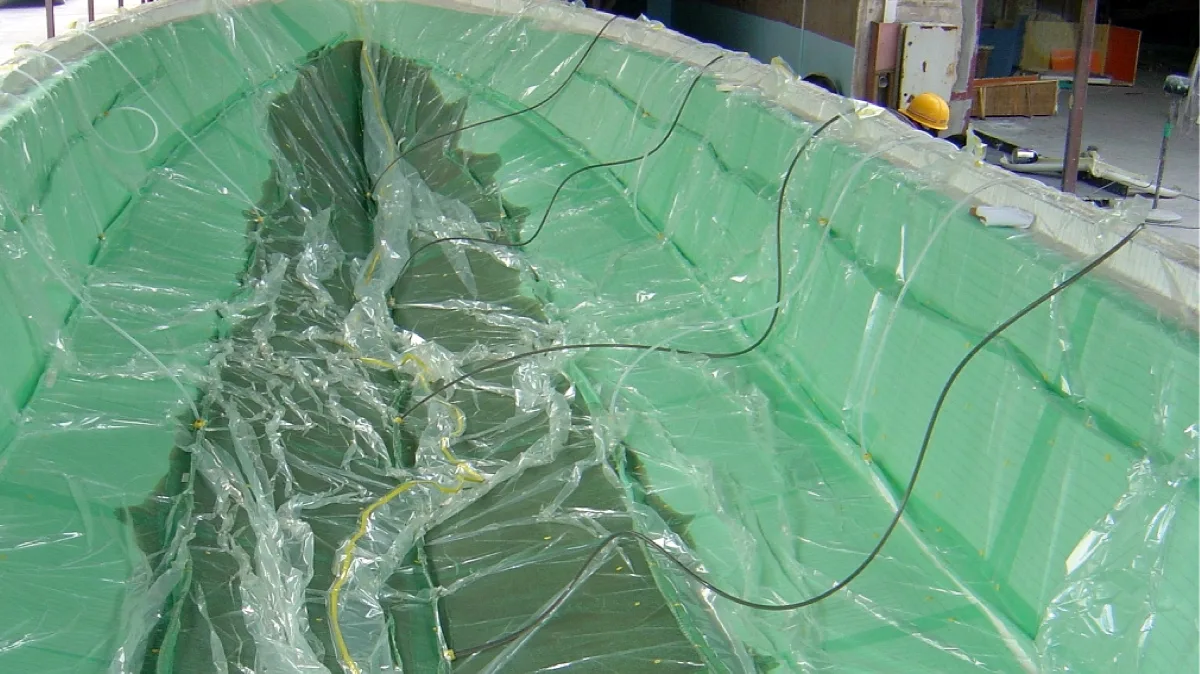
What are vacuum bagging materials and why are they crucial?
Vacuum bagging materials are the consumables and auxiliary components used to create a sealed vacuum environment during composite manufacturing. These materials include bagging films, sealant tapes, peelplies, breathers, infusion meshes, connectors, hoses, and other process supplies that help control pressure, resin flow, air removal, and release.
Choosing the right vacuum bagging materials directly affects the quality, stability, and repeatability of the finished composite part. A well-selected setup helps reduce voids, improve the fiber-to-resin ratio, create a cleaner surface finish, and support a more reliable manufacturing process.
What types of vacuum bagging are there?
Vacuum bagging can be used in several composite manufacturing processes, depending on the reinforcement, resin system, curing method, and final performance requirements. While the basic principle is the same — applying vacuum pressure to compact the laminate and remove trapped air — the required vacuum bagging materials can vary significantly.
The most common applications include resin infusion, wet lay-up, and prepreg processing. Each method requires a slightly different material setup to control resin flow, maintain vacuum integrity, and achieve consistent laminate quality.
Vacuum bagging for resin infusion
In resin infusion, dry reinforcement materials are placed into the mold, sealed under a vacuum bag, and then impregnated with resin using vacuum pressure. The vacuum helps draw the resin through the reinforcement layers, supporting more even distribution across the laminate.
The main goals of this process are consistent resin flow, reduced void content, complete fiber wet-out, and improved mechanical properties in the finished composite part. For reliable resin infusion, the setup typically includes bagging film, sealant tape, peelply, infusion mesh, resin feed lines, vacuum hoses, and a resin trap.
Vacuum bagging for prepregs and wet lay-up
In prepreg and wet lay-up processes, vacuum bagging is used to compact the laminate, remove trapped air, and improve the fiber-to-resin ratio during curing. In prepreg manufacturing, where the fibers are already impregnated with resin, the vacuum bagging materials often need to withstand elevated curing temperatures, depending on the prepreg system and cure cycle.
For wet lay-up, breather and bleeder materials are especially important because they help remove air and manage excess resin bleed. In both methods, the right vacuum bagging setup supports precision, strength, and repeatable laminate quality, especially in applications where part consistency is critical.
Essential components of a vacuum bagging system
A vacuum bagging system is built from several components that work together to create a sealed, controlled environment around the laminate. Each material has a specific function, from sealing and release to resin flow, air evacuation, resin absorption, and connection to the vacuum system.
Choosing the right combination of materials is important because one weak component can affect the whole process. A poor seal, blocked vacuum path, or incompatible material can lead to leaks, voids, uneven resin flow, or difficult demolding.
Bagging film
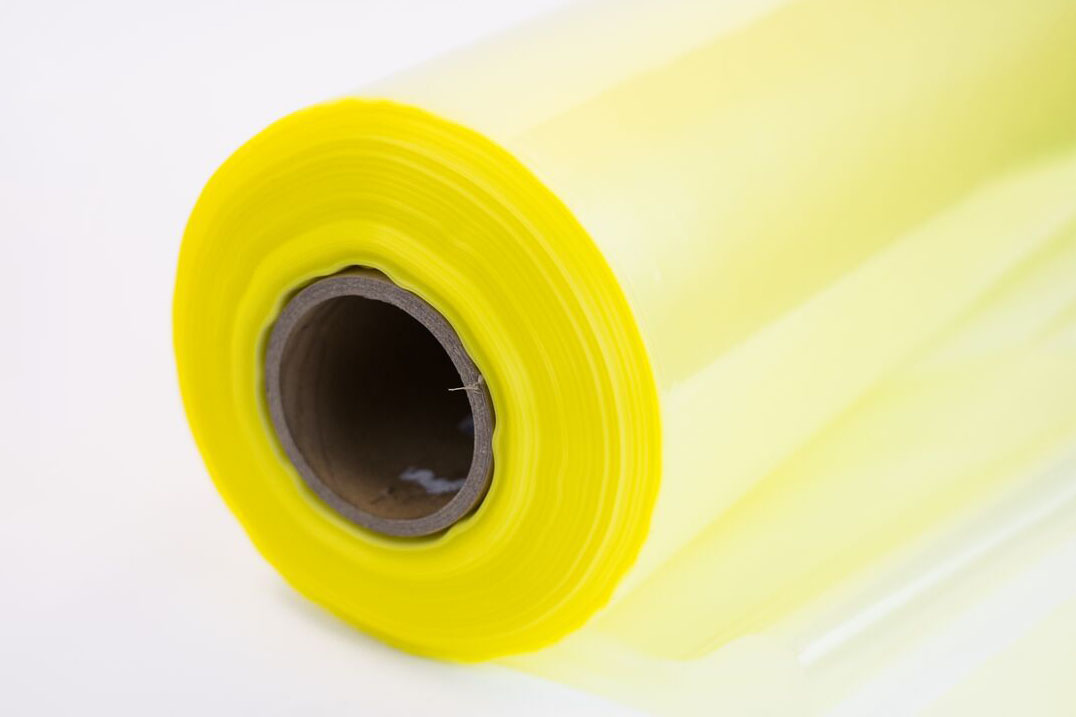
Bagging film creates the airtight vacuum envelope around the laminate and mold. It must hold vacuum pressure throughout the process without tearing, leaking, or bridging over complex areas.
When selecting bagging film, key factors include temperature resistance, elongation, width, thickness, and puncture resistance. A common mistake is using a film that is too rigid or not rated for the required cure temperature, especially on complex geometries.
Release films
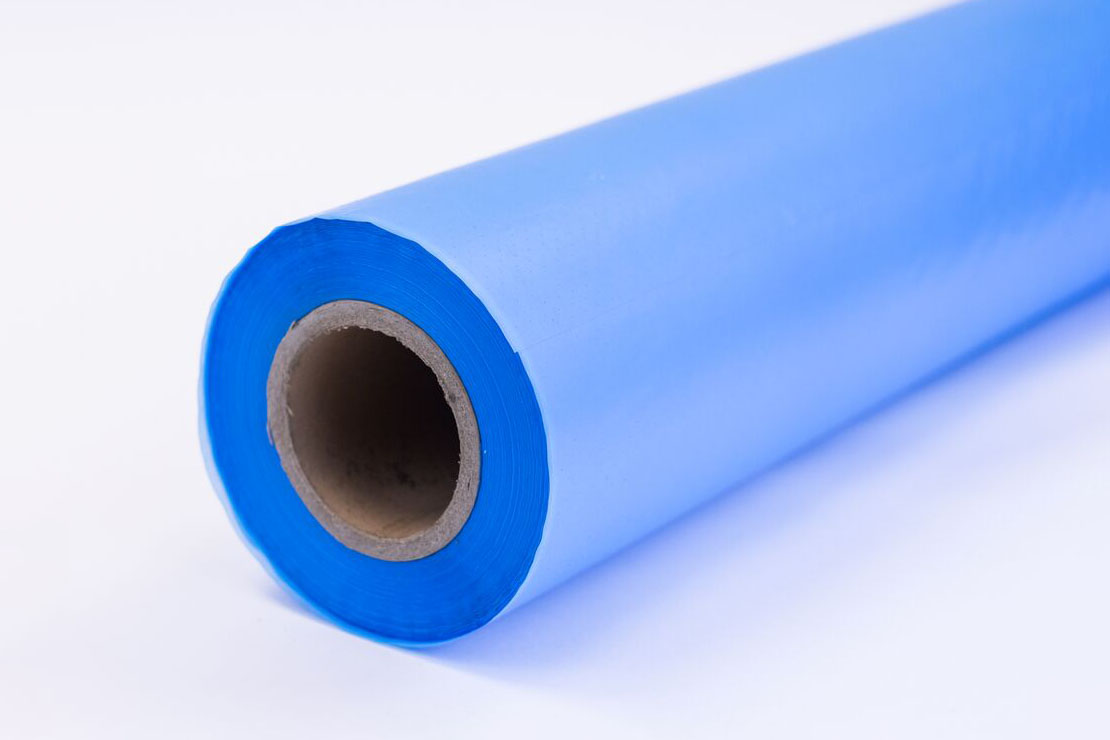
Release films separate the laminate or auxiliary layers from other vacuum bagging materials. They help ensure the consumables can be removed cleanly after curing or infusion.
Release films can also help control resin bleed and resin flow. One important choice is whether to use perforated or non-perforated release film, depending on how much resin transfer or separation the process requires.
Peelply
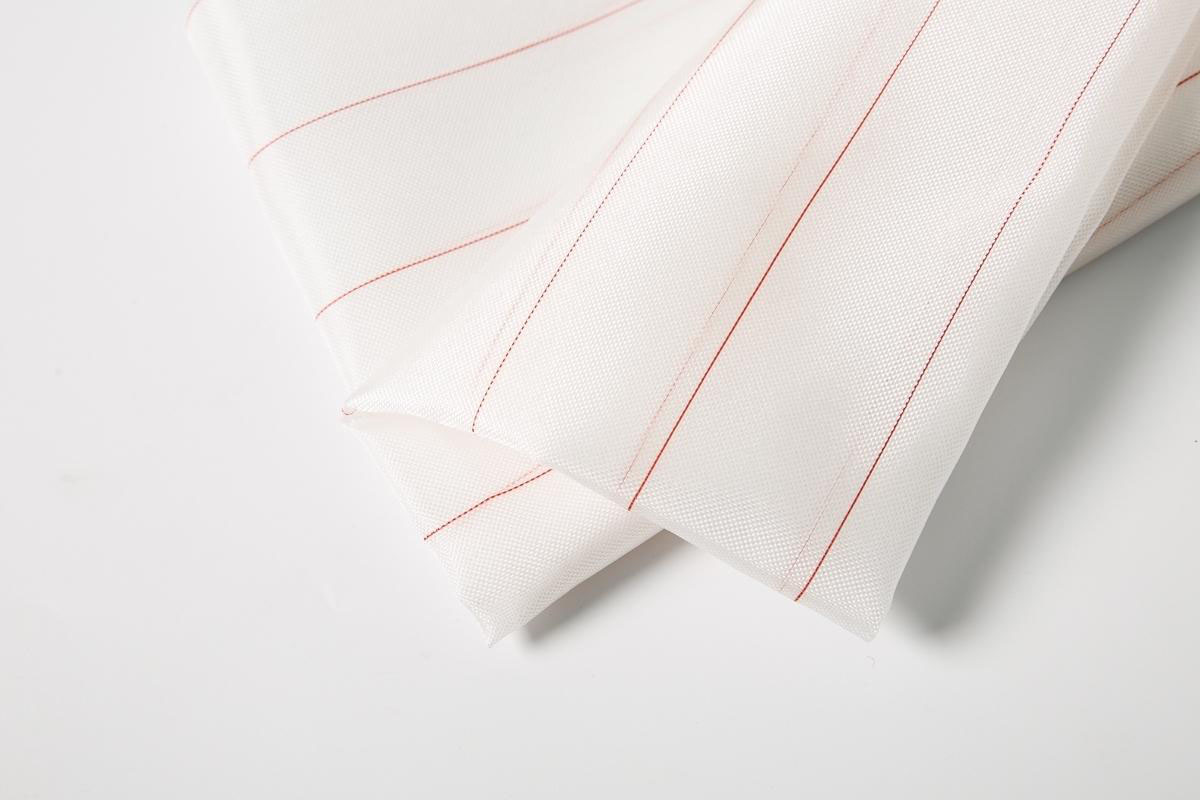
Peelply is a woven release fabric placed against the laminate surface. Once removed, it can leave a clean, textured surface that is suitable for secondary bonding, painting, or further laminating.
Using peelply can reduce the need for sanding and additional surface preparation. This makes it especially useful when the finished part requires a reliable bonding surface after demolding.
Sealant tape
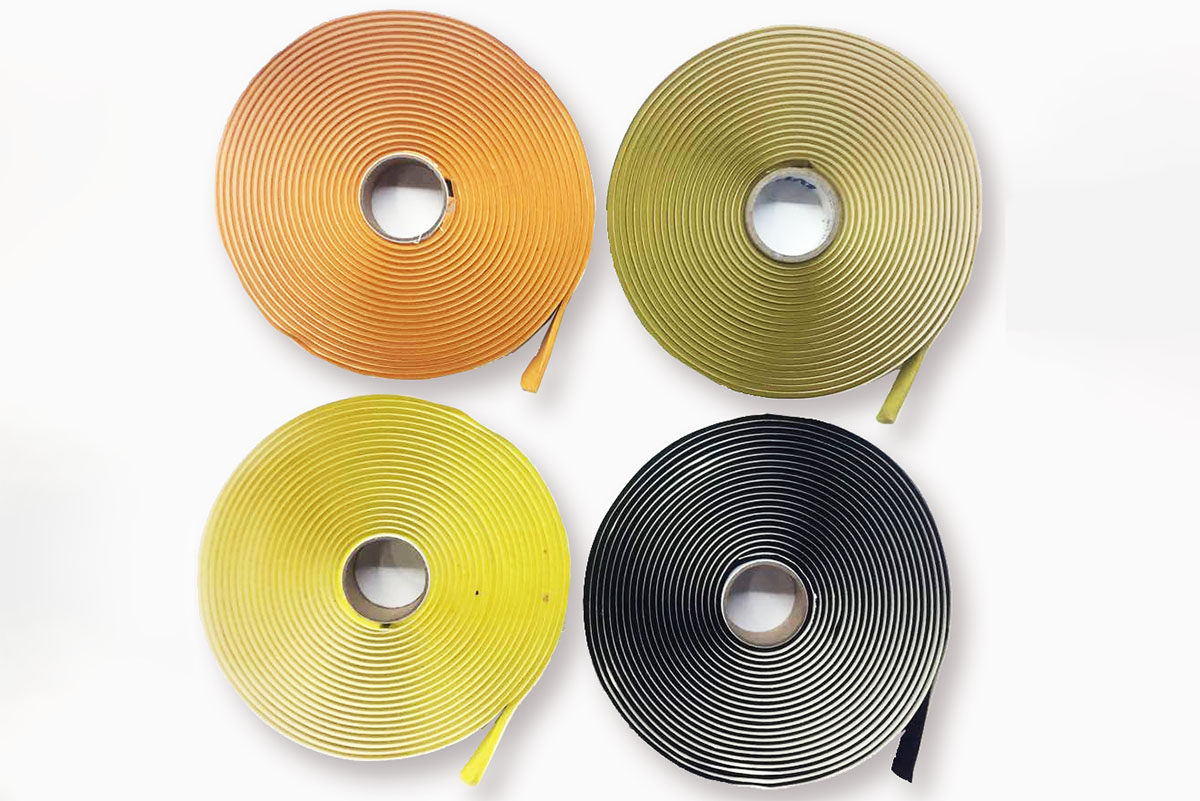
Sealant tape creates the airtight connection between the bagging film and the mold flange. Without a reliable seal, the system cannot maintain stable vacuum pressure.
When choosing sealant tape, consider temperature resistance, adhesion, removability, and compatibility with the mold surface. A common mistake is using tape designed for lower temperatures in a higher-temperature cure cycle.
Pressure sensitive tape
Pressure sensitive tape is used for temporary fixation of auxiliary materials, edges, or small process adjustments. It can help hold materials in place during setup and improve handling before the bag is sealed.
However, pressure sensitive tape should not be used as a replacement for sealant tape. It can be useful in resin infusion, prepreg, and wet lay-up processes, but its role is mainly positioning and temporary support.
Breather

Breather material provides an air path from the laminate area to the vacuum port. This helps air move out of the bag and supports even vacuum pressure across the part.
In wet lay-up, breather can also act as a bleeder by absorbing excess resin. It is important to keep the vacuum path open, as blocked breather areas can reduce air evacuation and cause inconsistent consolidation.
Infusion mesh
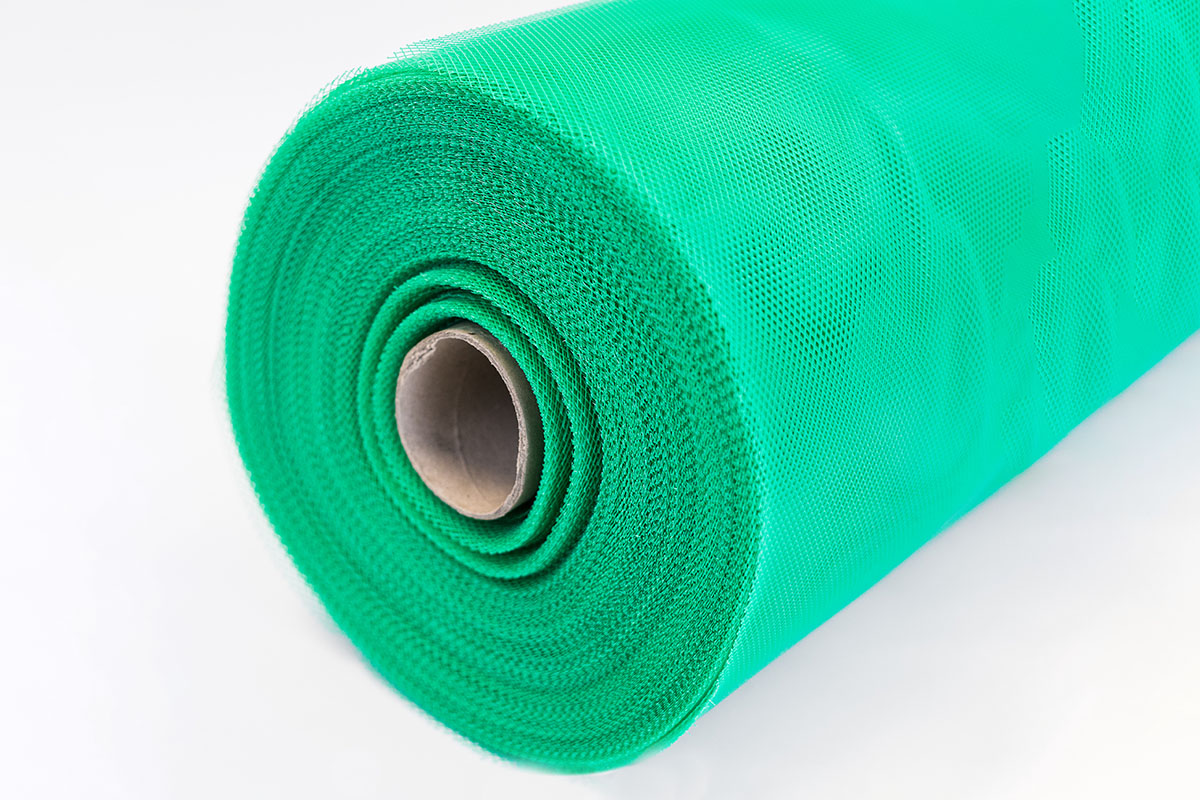
Infusion mesh helps resin flow faster and more evenly during resin infusion. It creates a flow path over the laminate, helping the resin reach all areas of the part more efficiently.
It is especially important for larger parts or longer flow paths. However, too much mesh or poor placement can cause race tracking, where resin moves too quickly in some areas and leaves others insufficiently wetted.
Vacuum bagging tools and accessories

Vacuum bagging tools include vacuum connectors, hoses, valves, resin traps, disposable fittings, and vacuum pump accessories. These components connect the sealed bag to the vacuum system and help control resin movement and vacuum stability.
The right tools help protect the vacuum pump, maintain process control, and reduce the risk of leaks or flow restrictions. Size, compatibility, and temperature resistance should always match the process requirements.
Key factors to consider when selecting your vacuum bagging supplies
Selecting the right vacuum bagging supplies depends on the process, material system, and part requirements. Before choosing consumables, consider the following factors:
- Manufacturing process: Resin infusion, wet lay-up, prepreg processing, and autoclave curing all require different material setups.
- Temperature resistance: Bagging films, sealant tapes, release films, breathers, and fittings must all withstand the full cure cycle.
- Resin compatibility: The resin system, viscosity, and flow behavior can influence the choice of release film, infusion mesh, tubing, and breather.
- Part size and geometry: Large or complex parts may require wider films, higher elongation, stronger puncture resistance, and careful pleating.
- Resin flow strategy: In resin infusion, feed lines, infusion mesh, vacuum lines, and resin traps must be positioned to support even resin movement and complete wet-out.
- Surface finish requirements: Peelply and release film can affect whether the part has a clean surface, bonding-ready texture, or reduced sanding requirements.
- Leak prevention: A clean mold flange, suitable sealant tape, intact bagging film, and compatible fittings are all needed to maintain stable vacuum pressure.
Why sourcing from the right partner matters: sky composites solutions
In industrial composite manufacturing, vacuum bagging materials should work as a complete system. Sourcing from the right partner can help manufacturers improve process reliability and avoid compatibility issues.
Sky Composites offers a wide range of vacuum bagging materials for resin infusion, wet lay-up, prepreg, and VARTM processes. This includes bagging films, release films, peelplies, sealant tapes, pressure sensitive tapes, breathers, infusion meshes, connectors, hoses, fittings, and other process tools.
Working with an experienced supplier can help manufacturers:
- Choose materials that match the process type, resin system, and cure temperature
- Reduce the risk of leaks, poor release, uneven resin flow, or process failures
- Improve repeatability across production runs
- Simplify procurement by sourcing compatible materials from one supplier
- Achieve cleaner parts and more predictable composite manufacturing results
For production teams, this means better process control. For procurement teams, it means easier material selection and more reliable supply planning.
Ready to optimize your composite manufacturing process?
The right vacuum bagging materials can make a significant difference in composite part quality. From bagging films and sealant tapes to peelplies, breathers, infusion meshes, and connectors, every component plays a role in creating a stable and controlled process.
By selecting materials based on process type, temperature, resin system, part geometry, and surface requirements, manufacturers can reduce voids, improve laminate consolidation, and achieve more repeatable results. Contact Sky Composites to find the right vacuum bagging materials for your composite manufacturing process.
Related products

Vacuum bagging materials
Explore our full range of vacuum bagging materials.
